Automotive Collision Repair Technology

There's more to collision repair than dents and paint. Become part of an industry that is constantly evolving

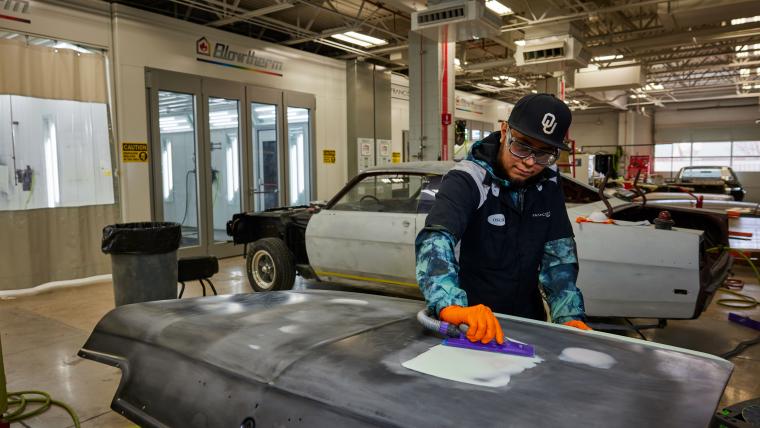
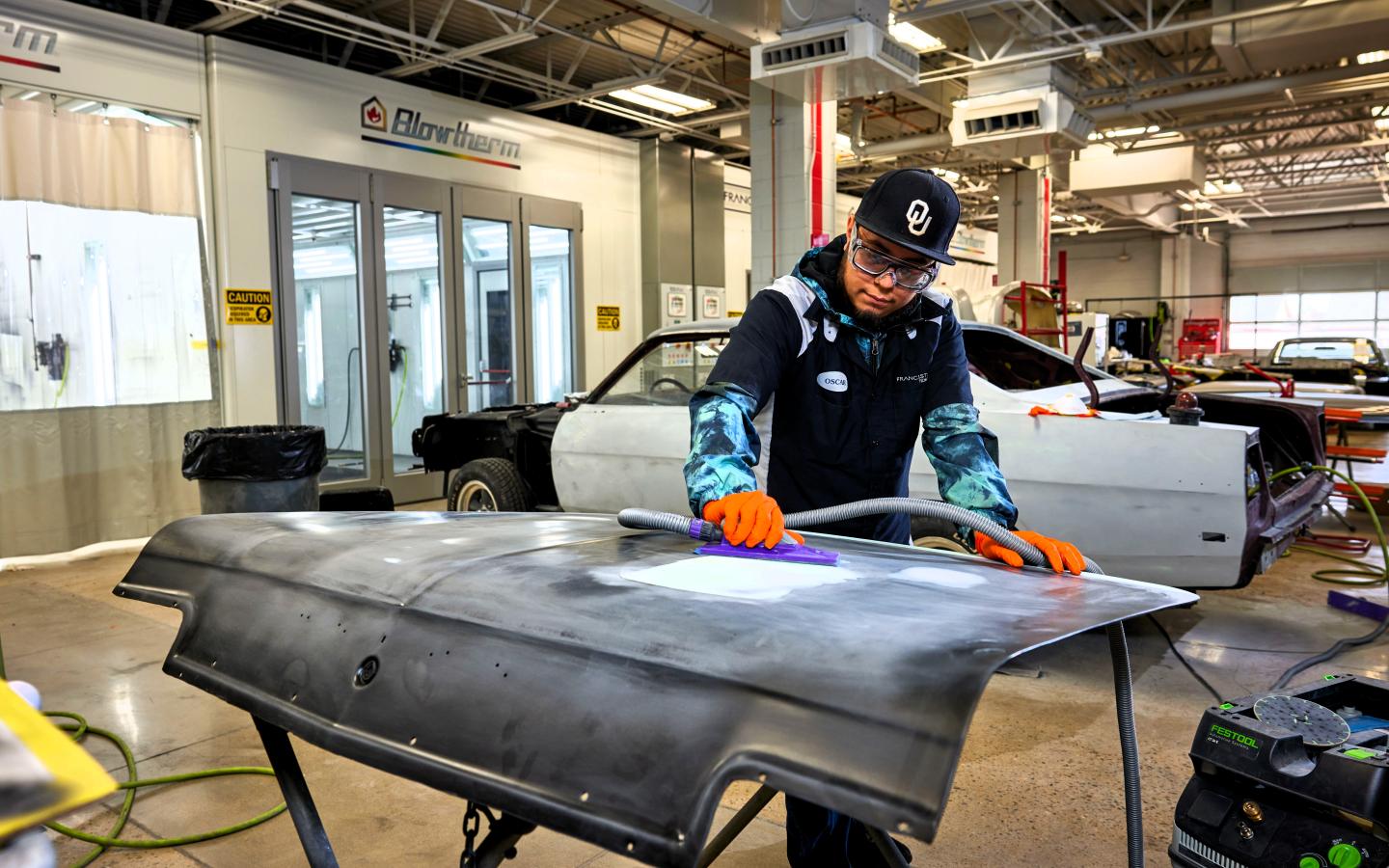
Male student sanding a car hood.
Open video

About this Program

Auto body repair is changing as quickly as the computer industry, with vehicles made of new materials and the inclusion of on-board, high-tech electrical systems. ASE Education Foundation has accredited this program for preparing students for the current realities of working in collision repair.

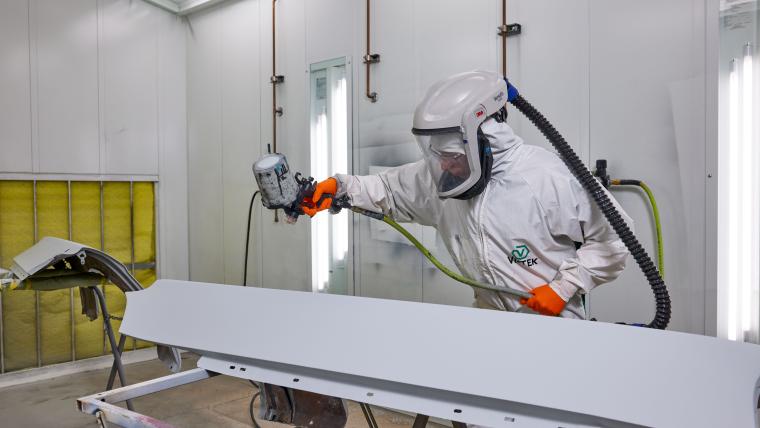
Students receive advanced training aligned to I-CAR advanced instruction on subjects like damage estimation, repair, and finishing vehicles. The program also incorporates portfolio development, so students gain personal skills and work experience necessary to take full advantage of employment opportunities.

Campus
Employment Opportunities

Automotive dealership body shops, independent automotive body shops, insurance claims companies, automotive detail shops, automotive restoration shops.

Automotive Collision Repair Technology Majors

Automotive Collision Repair

About this Major

This provides the most advanced level of education for collision repair technology. Courses range from damage analysis and welding to electrical systems and how to work with or around air conditioning and cooling systems.

Success in this career field requires attention to detail, the ability to work independently, the willingness to adapt to new technologies and methods for performing auto body repair, ability to do detailed work with hands and eyes, flexibility to work while kneeling and bending, and ability to lift up to 50 pounds.

Work acquired through this major and subsequent certifications will likely involve large shop equipment and a variety of hand-held power tools. Work involves numerous paint-related chemicals.

Eligible Certifications / Licensures

N/A

Financial Aid is available for those who qualify.

Courses

  • Introduction to Collision Repair Technology 60 hours
  • Auto Collision Trim and Hardware 40 hours
  • Auto Collision Damage Analysis 60 hours
  • Automotive Glass Replacement 30 hours
  • Auto Collision MIG (GMAW) Welding/Aluminum/Spot Welding/Cutting and Heating Process 150 hours
  • Auto Collision Written Estimating 30 hours
  • Auto Collision Steering and Suspension 20 hours
  • Auto Collision Structural Repair/Replacement 180 hours
  • Auto Collision Air Conditioning and Cooling 30 hours
  • Auto Collision Mechanical Systems 30 hours
  • Auto Collision Electrical/Electronics 30 hours
  • Auto Collision Restraint Systems 30 hours
  • Workforce Staging 30 hours
  • Auto Collision Computerized Damage Estimating 30 hours
  • Auto Collision Non-Structural Metal Straightening/Repair 90 hours
  • Automotive Body Panel Adjustment and Alignment 20 hours
  • Automotive Plastic and Adhesives 90 hours

Tuition & Costs

Costs for High School Students

Tuition & Fees

  • N/A

Licensure / Certifications

  • Not Available

Textbooks, Supplies, and Certifications (Estimated)

  • Uniforms (2): up to $70

Total Estimated Costs for High School Students

$70

Costs for In-State Adult Students

Costs for Out-of-State Adult Students

At A Glance

Open To

  • High school juniors and seniors, adult students

Location

Total Hours Required

960

Length

  • Full-time: 1 school year
  • Part-time: 2 school years
  • A typical school year includes 9 months of instruction. Program length may vary based on progress rate and/or summer school attendance.

Times

Daytime classes, two sessions: Monday — Friday

  • 7:55 a.m. to 11:00 a.m.
  • 12:30 p.m. to 3:35 p.m.
  • High school students and part-time adults enroll in either AM or PM session. Full-time adult students enroll in both sessions.
Refinishing Technician

About this Major

Success in this career field requires attention to detail, the ability to work independently, the willingness to adapt to new technologies and methods for performing auto body repair, ability to do detailed work with hands and eyes, flexibility to work while kneeling and bending, and ability to lift up to 50 pounds.

Work acquired through this major and subsequent certifications will likely involve large shop equipment and a variety of hand-held power tools. Work involves numerous paint-related chemicals.

Licensures / Certifications

  • I-CAR Platinum Certificate

*One certification paid by Francis Tuttle. Additional, optional certifications are available at student expense.

Financial Aid is available for those who qualify.

Courses

  • Introduction to Collision Repair Technology 45 hours
  • Auto Collision Trim and Hardware 40 hours
  • Auto Collision Damage Analysis 75 hours
  • Auto Collision Written Estimating 40 hours
  • Auto Collision Computerized Damage Estimating 40 hours
  • Workforce Staging 30 hours
  • Refinish Preparation 150 hours
  • Refinish Application 200 hours
  • Refinish Color Adjustment 120 hours
  • Refinish Blending and Painting Defects 120 hours
  • Automotive Detailing 100 hours

Tuition & Costs

Costs for High School Students

Tuition & Fees

  • N/A

Licensure / Certifications

  • I-CAR Refinish Platinum Certificate

Textbooks, Supplies, and Certifications (Estimated)

  • Uniforms (2): up to $70

Total Estimated Costs for High School Students

up to $70 for uniforms

Costs for In-State Adult Students

Costs for Out-of-State Adult Students
At A Glance

Open To

  • High school juniors and seniors, adult students

Location

Total Hours Required

960

Length

  • Full-time: 1 school year
  • Part-time: 2 school years
  • A typical school year includes 9 months of instruction. Program length may vary based on progress rate and/or summer school attendance.

Times

Daytime classes, two sessions: Monday — Friday

  • 7:55 a.m. to 11:00 a.m.
  • 12:30 p.m. to 3:35 p.m.
  • High school students and part-time adults enroll in either AM or PM session. Full-time adult students enroll in both sessions.