Campus
Respiratory Care Therapist
The respiratory care industry is in high demand! Start here to earn nationally recognized credentials and a rewarding career!
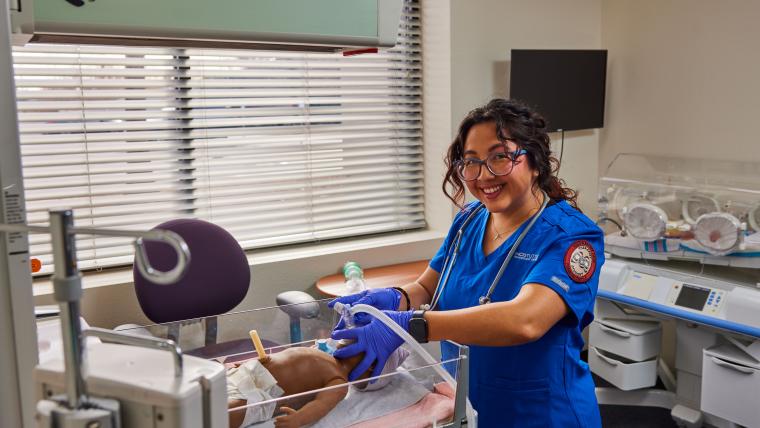
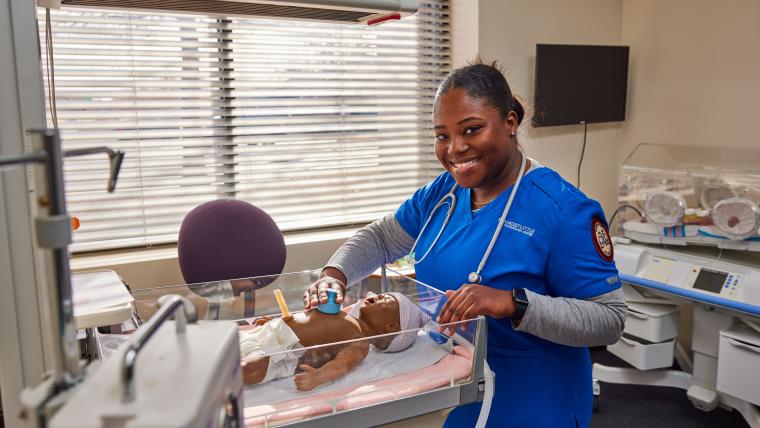
Respiratory care therapists work in various medical environments, such as hospitals, pediatric/neonatal care units, skilled nursing, and rehabilitation facilities. As a certified respiratory therapist, you will help treat critically ill patients and provide valuable life-changing information to them and their families.
Respiratory therapists are trained to analyze data, evaluate patients, and make critical thinking decisions that directly affect the well-being of patients. They work directly with patients, use valuable information to understand trends, and advise on how chronically ill individuals can improve their breathing.
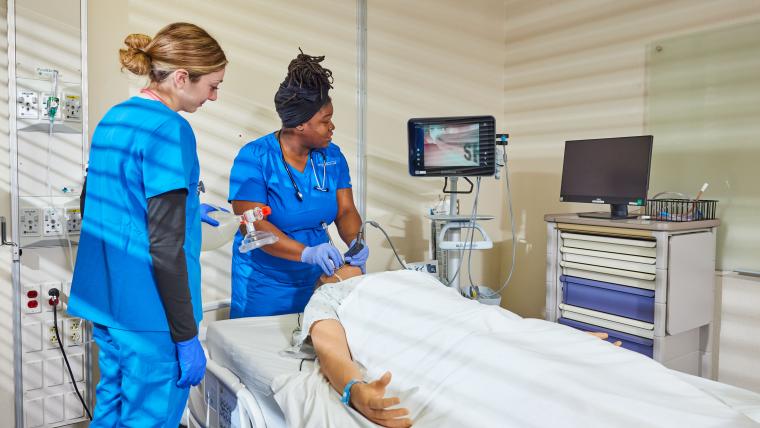
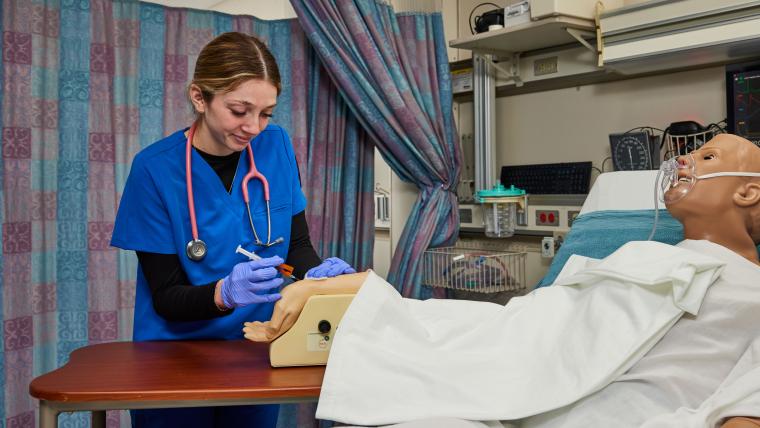
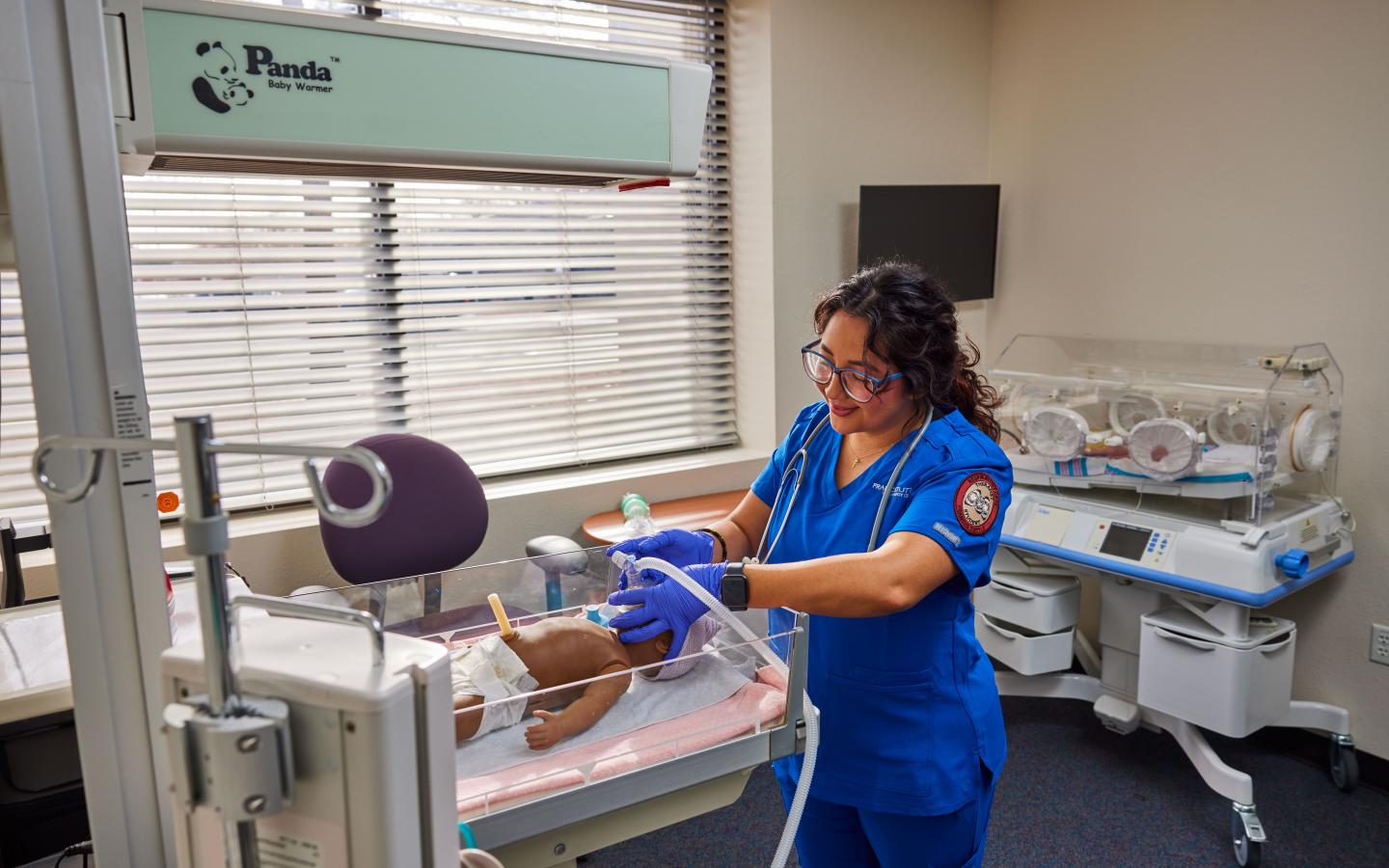
Training takes place in state-of-the-art laboratory spaces using the same tools and machines as modern professionals. Our respiratory therapist classes will show you how to:
- Evaluate patients and consult with physicians to recommend a change in therapy
- Perform physical assessments to analyze breathing sounds and measure vital signs
- Draw blood to determine levels of oxygenation and ventilation
- Manage ventilator care, intubation and placement of artificial airways
- Respond to emergency situations and urgent calls for patient care
Accreditation
The Respiratory Care Program, CoARC 200454, located on the Francis Tuttle Technology Center campus, in partnership with Oklahoma City Community College, grants an Associate in Applied Science Degree in Respiratory Care and is accredited by the Commission on Accreditation for Respiratory Care (www.coarc.com).
CoARC accredits respiratory therapy education programs in the United States. To achieve this end, it utilizes an ‘outcomes based’ process. Programmatic outcomes are performance indicators that reflect the extent to which the educational goals of the program are achieved and by which program effectiveness is documented.
Programmatic outcomes from the most recent Annual Report of Current Status.
Respiratory Therapy Professional Licensure Disclosure
Program Goals and Standards
To prepare graduates with demonstrated competence in the cognitive (knowledge), psychomotor (skills), and affective (behavior) learning domains of respiratory care practice as performed by respiratory therapists.
Respiratory Care Therapist Majors
Advanced Respiratory Therapist
About this Major
Respiratory Care practitioners are trained in a variety of therapeutic and diagnostic skills that enable them to assist with the treatment of individuals with pulmonary and cardiac disorders. Respiratory therapists perform many types of assessment and therapy, including life support procedures and management of ventilators in the critical care unit. Entry into the Respiratory Care profession requires an associate degree from an accredited program, as well as successful completion of national credentialing examinations.
Students preparing for the program will complete 38 required prerequisite credit hours of general education, science, and mathematics courses at Oklahoma City Community College and then make application to the 12-month RC program at Francis Tuttle. If the applicant has possible transfer credit, they should have their college transcript(s) evaluated at OCCC for approval.
The RC program provides targeted instruction in respiratory care including respiratory theory, laboratory practice, and clinical experience, preparing students to take the national credentialing exams. Upon completion, students will receive the Respiratory Care Therapist Associate of Applied Science degree from OCCC, are are then eligible to take the two national examinations required to earn a Registered Respiratory Therapist (RRT) credential. Specifically, graduates are eligible to take the Therapist Multiple Choice Examination, then the Clinical Simulation Examination. Successful completion of both exams earns the credential of Registered Respiratory Therapist and qualifies the graduate to obtain a license to practice as a Respiratory Care Practitioner in Oklahoma and other states.
Students should carefully review the information related to physical job requirements for a respiratory therapist. These requirements include: assisting with moving patients, frequent lifting of up to 30 pounds, continuous walking and use of stairs, wearing personal protective equipment including a lead apron while standing for a prolonged time period, reading digital displays on monitoring devices from a distance of eight feet or greater, hearing and responding to audible instructions. Students unable to perform the physical duties of a Respiratory Care Practitioner would be unable to complete clinical coursework and therefore unable to complete the program.
Licensure / Certifications
- Registered Respiratory Therapist (RRT) National Credential - $390* This credential requires successful completion of two national examinations. Francis Tuttle will pay the cost of the Therapist Multiple Choice Examination ($190).
- Oklahoma Respiratory Care Practitioners License - $100
This career major is eligible for financial aid through OCCC.
Note: Tuition cost for this program is based on OCCC credit hours
Courses
- Basic Respiratory Procedures 150 hours
- Respiratory Pathology & Pharmacology 50 hours
- Advanced Respiratory Procedures 240 hours
- Diagnostic & Outpatient Services 80 hours
- Pediatric & Neonatal Respiratory Care 48 hours
- Clinical Application of Respiratory Therapy I 184 hours
- Critical Respiratory Therapy 148 hours
- Respiratory Care Advanced Practice 200 hours
- Clinical Application of Respiratory Therapy II 200 hours
Please check the course prerequisites document for more information about the perquisites for this program
Tuition & Costs
Costs for In-State Adult Students
Costs for Out-of-State Adult Students
Program Highlights